

Smart chargers are now an essential part of everyday life, making charging safer and more efficient. People often ask how smart chargers work and what makes them different from regular chargers. These intelligent devices automatically adjust the power flow to prevent overcharging and overheating. It is widely used by OEM manufacturers and factories of battery chargers, where quality control in electronics manufacturing is an important focus. A smart charging system is a reliable one-stop solution for personal gadgets, power tools, and industrial equipment. Let's explain the design, technology and safety functions in plain terms.
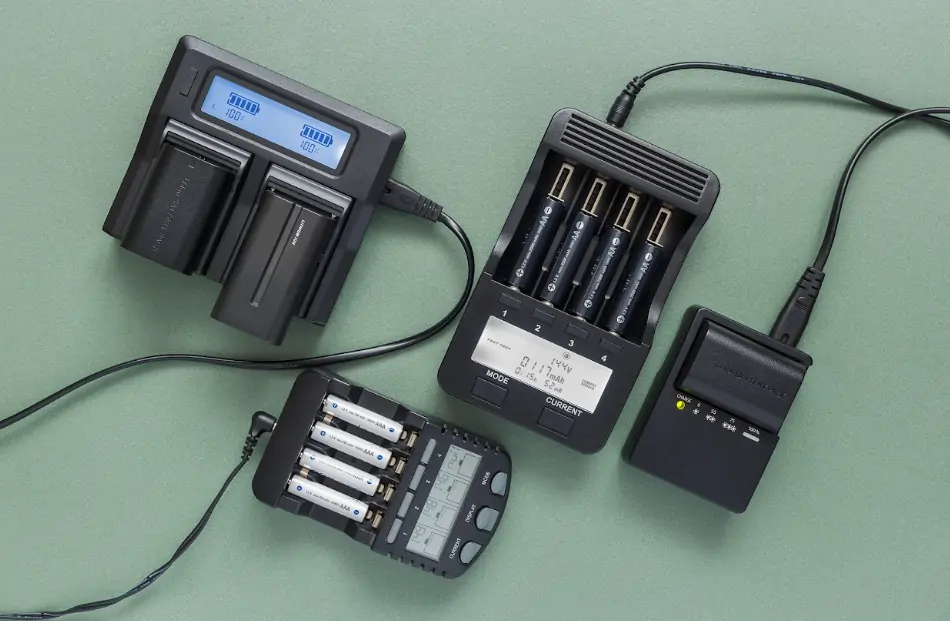
To understand how do smart chargers work, think of them as devices that "think" while charging. Unlike older chargers that power without checking the battery status, smart chargers monitor battery status and automatically adjust the output.
These features make smart chargers a reliable one-stop solutions for users seeking both safety and performance. The factory ensures these chargers operate accurately at all times through rigorous quality control in its electronics manufacturing.
The smart charger comprises several components that work together to enable secure charging management. Understanding these parts helps explain how do smart chargers work in real use.
It is a control centre that reads the battery's state and determines the required current. In battery-pack OEM production, microcontrollers maintain consistency across each charging process.
Sensors track changes in power and heat. When the battery overheats or reaches full charge, the charger automatically slows or stops the current flow.
All smart chargers incorporate a protective circuit that prevents the following phenomena:
These safety features are part of quality control in electronic device manufacturing, ensuring the charger operates safely for a long time.
The smart charger complies with a control process divided into clear stages. These stages show exactly how do smart chargers work from start to finish.
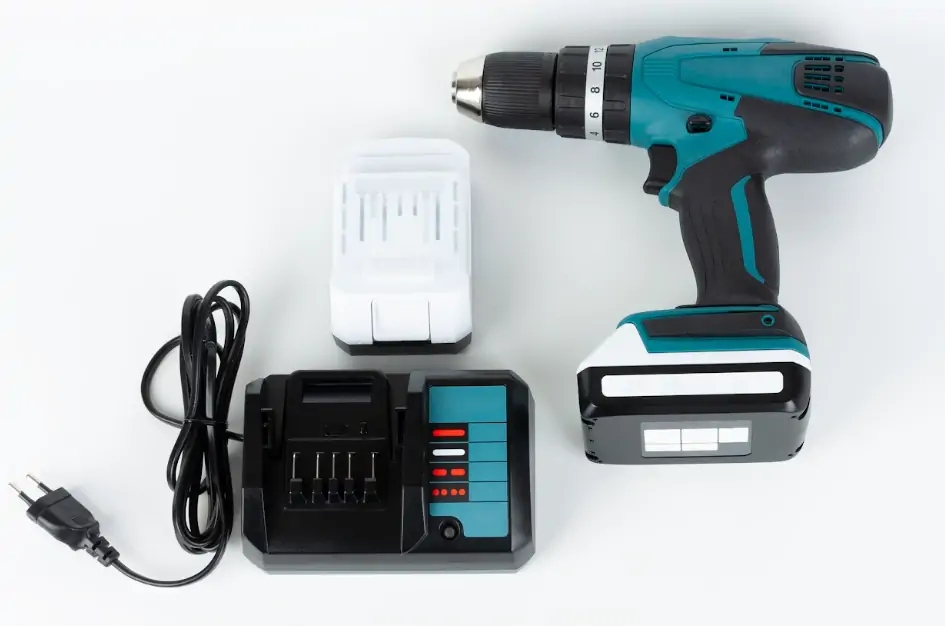
At the start, the charger sends a stable current, quickly filling the battery to about 80%. The voltage gradually rises, and the charger monitors temperature and battery status.
At this stage, the current is gradually reduced while the voltage is stabilised. This prevents overcharging and extends battery life, especially in OEM battery-pack systems.
When the battery reaches full charge, the charger switches to maintenance mode. To maintain a fully charged state without burdening the battery, only a small amount of power is provided. Here's why many users consider smart chargers the best one-stop solutions for maintaining battery health.
Modern smart chargers communicate directly with the device being charged. This data exchange ensures a safe and accurate power supply.
The charger and device share information and determine the appropriate voltage and current. For example, smartphones may require less power as they approach full charging.
Standards such as Quick Charge and PPS operate similarly, making charging faster and safer. These systems are built under strict quality control in electronic device manufacturing to maintain consistent results.
This communication system explains a significant part of how smart chargers work and how they manage multiple device types.
Safety is the main reason why smart chargers are chosen. Its technology is designed to protect both devices and power supplies.
The smart charger stops the current supply after charging, reducing power consumption. This improves efficiency and makes it the best one-stop solutions for environmentally friendly users and battery pack OEM applications.
These safety and efficiency measures reflect the importance of quality control in electronic device manufacturing, and all circuits undergo reliability testing.
Intelligent charging systems are now on almost every modern device. Understanding where and how they are used also helps answer how smart chargers work in real-world settings.
Smartphones and tablets rely on adaptive charging systems to monitor the temperature and battery level in use. The charger automatically reduces the output when the battery is almost full, preventing overheating and expansion. This balanced charging process extends battery life and ensures safe and stable performance, making it ideal for everyday mobile users.
Since laptops and other portable devices consume more power, smart chargers adjust voltage and current with high precision. Adjust the output based on usage and battery condition, and keep the equipment cool even under high load. This consistent power management protects internal components and helps maintain battery capacity for long periods of use.
In industrial environments, smart chargers play an essential role in maintaining safety and reliability. Provides stable charging for heavy machinery and tools while preventing voltage spikes. The battery pack OEM production line allows these chargers to have a controlled, consistent charging cycle, ensuring that each unit passes the test before shipment and meets strict performance standards.
Safety testing is an integral part of smart charger manufacturing. Random product must go through multiple stages before shipment.
These tests demonstrate how smart chargers protect both batteries and equipment. It also meets strict quality control requirements in electronic device manufacturing, with consistency and safety as its top priority.
Compared to standard chargers, smart chargers offer a balanced and discreet power supply. This is one of the best ways to understand how smart chargers work differently.
Due to these advantages, many battery pack OEM brands employ smart chargers to maintain product quality and reliability. It is considered a reliable one-stop solution for modern electronics.
Choosing the right charger will make a big difference. There are points to confirm to obtain safe, reliable products.
By choosing a charger that meets the quality control standards for electronic equipment manufacturing, long-term performance is guaranteed. It also provides a reliable one-stop solution for various gadgets.